
Reflections on relationships, identity, attachment, and change
Articles for individuals, couples, and multi-partner relationships exploring polyamory and ENM, neurodivergence, queer identity, emotional intimacy, trauma, grief, and the patterns that shape how we love.
12 Gottman Relationship Lessons for Lasting Love
Discover what 40 years of Gottman research reveals about lasting love. Learn about the Four Horsemen, perpetual problems, repair, and why 69% of conflicts never resolve.

When Trauma Shows Up in Relationships (and How to Begin Healing It)
Trauma doesn’t just live in the past — it shapes how we connect, trust, and love in the present.
This post explores how trauma shows up in relationships and offers gentle ways to begin healing together.
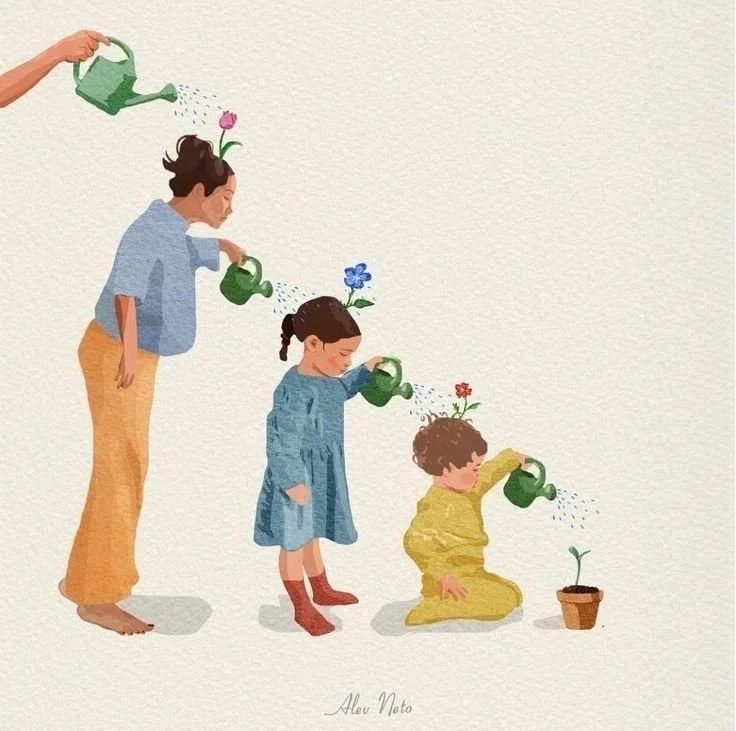
How Family Patterns Shape Emotional Intimacy in Adult Relationships
Many families never learned how to talk about emotions. Discover why that happens and how to begin expressing feelings with safety, awareness, and compassion.

How to Stop the Pursue-Withdraw Cycle in Your Relationship
Understand why one partner chases and the other shuts down, what drives the pursue–withdraw cycle, and how to reconnect with empathy and emotional safety.

Desire Differences in Long-Term Relationships: How Differentiation Helps
True intimacy isn’t about merging—it’s about staying connected while remaining yourself. The same principle applies to sex. Therapist Martha Kauppi’s model of sexual differentiation reframes desire as a developmental process, showing that erotic vitality grows when partners can be both safe and separate, honest and embodied. Sexual challenges aren’t failures; they’re invitations to grow in integrity, curiosity, and courage.

Differentiation in Relationships: Why Healthy Intimacy Requires Separateness
Most of us think love means becoming one. But real intimacy requires something harder: staying connected while remaining yourself. Here's how differentiation changes everything about the way we love.

Why You Keep Repeating the Same Relationship Patterns
Why do we repeat the same painful patterns in love, family, or work—even when we know better? This post explores the psychology of repetitive repulsion through attachment, conditioning, and generational inheritance, and how awareness allows us to create new endings.